
Imagine, a few years later when a baby is born, along with the birth certificate the gene sequence of the baby is also routinely handed over. It is not science fiction, but could become a reality soon. The transformation of biology into a data science began with the Human Genome Project (HGP) that completed 20 years of its most important product on April 14, 2003. On that date the HGP had created the first sequence of the human genome. Consisting of nearly 3 billion DNA, the sequence mapped a human being. While the sequence was incomplete and basically assembled from bits of several people’s DNA, it was an inflection point.
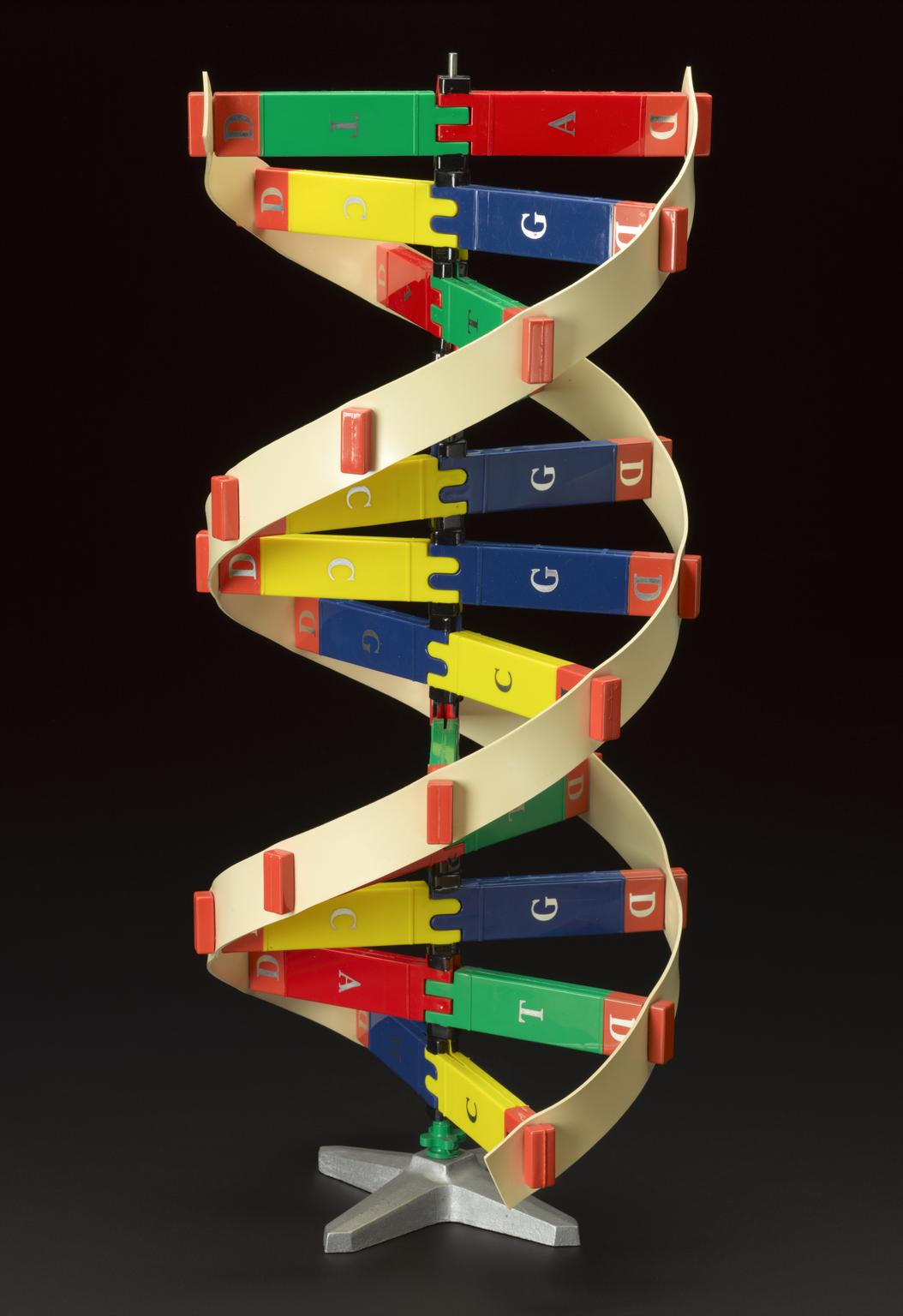
A genome is the entire set of genetic information that makes up an organism. This information is packaged into sequences of DNA we call genes, which in humans are spread along 23 pairs of chromosomes. Genomics has opened the way both to the past, as well as the future.
For evolutionary biology, the discovery has been that human history was much more dynamic than anyone could have predicted. It has not been a linear or single strand evolution. Now it is understood that our species interbred with other species like the Neanderthals and Denisovans, and spread across the globe taking along culture, agriculture, disease and resistance to it.

Most of the futuristic benefits of genomics presently are seen in medicine. The mutated genes that cause diseases including cancers, heart disease, and diabetes have been identified. The next step is to create new therapies that can tackle these mutations. Gene based therapies are already being used in cancer and sickle cell disease treatments. In the near future it is hoped that the gene sequencing of sick babies would help in early detection and better treatment. Experiments to that effect have already begin in the UK. In agriculture, already disease and heat resistant crops are being created, and gene sequencing has helped reveal many new micro-organisms.
The contribution of the HGP was that it did not patent its finding, but let it be available to the public. Biologists databases now hold sequences of millions of people and other organisms. It also led to sequencing being done far more quickly and cheaply. The original project cost $2.7 billion, with most of the genome being mapped over a two-year span. Today a genome sequencing can be done in about USD 600. In India, a whole genome sequencing costs about Rs. 25000/-, and this is only likely to decline. The process on an average takes 10-12 days; already some advanced machines are taking only hours.
The other important role of the HGP was to bring into focus the importance of team work and collaboration in scientific research. The model of multi-center collaboration, consisting of 20 laboratories, pioneered in 1990 has created a new model of doing biology. Already the Three Million African Genomes and Genome Asia 100k are under way to increase the diversity of the data for better results.

So how does this affect you and me? Genomics is going to change the way disease is tackled. Hopefully, soon it will be possible to cheaply and easily scan a person’s genome at a moment’s notice and with that information, along with other aspects of the molecular make-up, decide what drug or interventions are prescribed – the concept of personalized medicine. The issues of data security and privacy will, as usual, be part of the package. How soon that will be is very difficult to predict, because like most things in nature – the more we know, the more we realize there is much more to be know.

Published in The Lokmat Times in May 2023

 themindprism - sadhna shanker
My area of interest 😁
LikeLike
Very nice 👍👍👍
LikeLike
thanks
LikeLiked by 1 person