
When do you recollect eating out of a plastic plate? However, drinking water out of a plastic bottle is still common. The World Environment Day falls annually on June 5. This year the United Nations Environment Program (UNEP) campaign theme is #BeatPlasticPollution. A report ‘Turning off the tap’ looks at how to end plastic pollution and create a circular economy.

Plastic entered our lives in 1855 when Alexander Parkes invented Parkesine, which was used to substitute ivory in billiard balls. The world’s fully synthetic plastic, called Bakelite, was invented by Leo Baekeland in 1907, who created the term ‘plastics’. Since then, plastic has undergone many transformations and today is cheaper, durable and has multiple uses. It is used in diverse industries, and microplastics are part of nearly every product we use.
As per the UN, presently, the world produces 430 million metric tons of plastics each year, of which over two-thirds are short-lived products which soon become waste, and a growing amount (139 million metric tons in 2021) after one single use. Plastic production is set to triple by 2060 if ‘business-as-usual’ continues. Today, we produce about 400 million tonnes of plastic waste every year. Globally, only about 10% of the plastic waste is recycled, and large quantities of waste finds its way into the environment, through rivers and streams, and enters the oceans and marine life. It is estimated that 75 to 199 million tonnes of plastic is found in our oceans. The waste breaks down and re-enters the food chain finding their way into animals and humans. Microplastics have been found in the human body, including breast milk.

In the fight against plastic, 193 member states of the UN, in March 2022, decided to end plastic pollution and enter into a binding treaty for the same by the end of 2024. The UNEP report recommends a detailed ‘reuse, recycle and reorient’ strategy to tackle plastic pollution. Accelerating the market for reusable products, to transform the throwaway economy to a reuse society, accelerating the market for plastics recycling by ensuring recycling becomes stable and profitable, and shaping the market for plastic alternatives to enable sustainable substitutions could help reduce plastic pollution by nearly 80%. The key is to promoting and adopting a circular plastic economy.
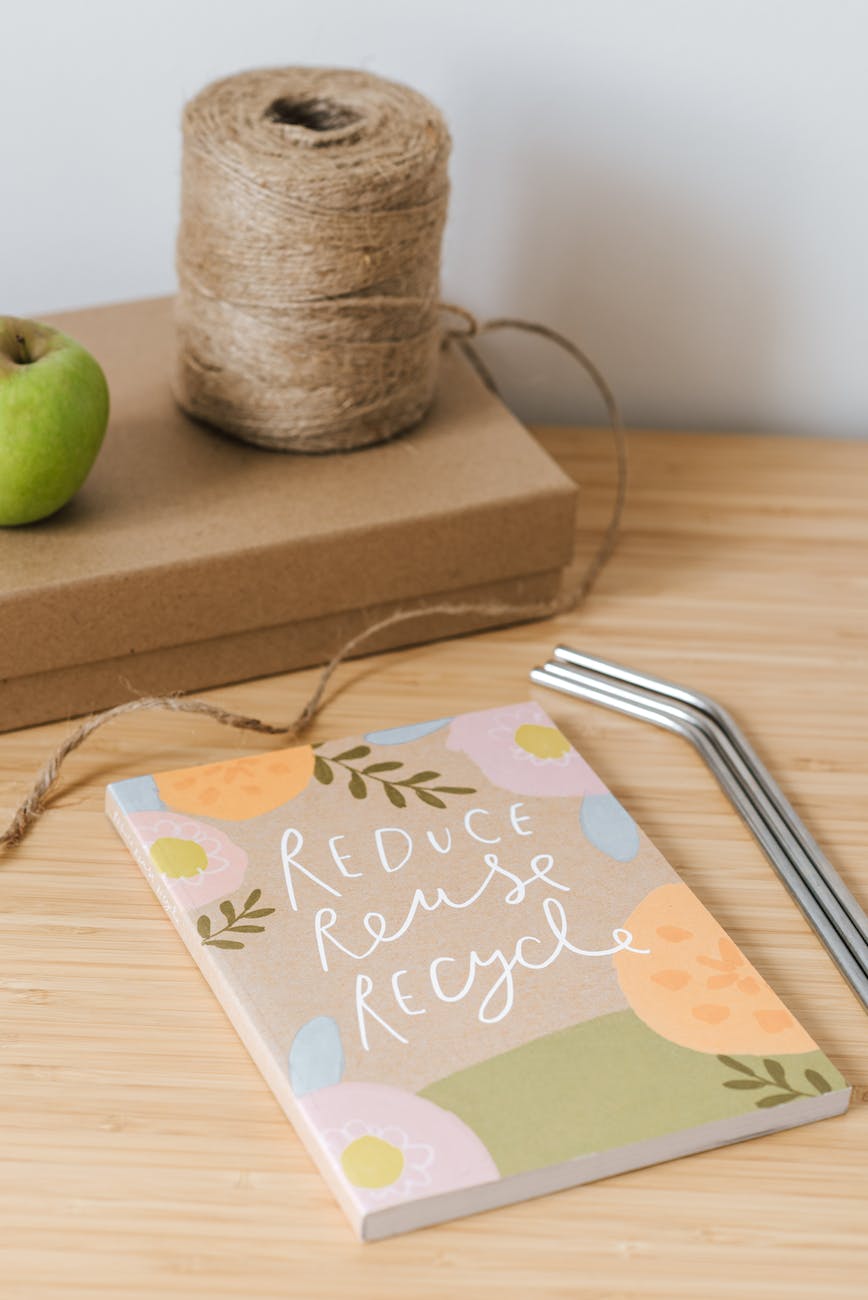
Many countries are trying to tackle this problem. Rwanda became the first plastic free country in 2009, 10 years after it banned all plastic bags and packaging. Germany, introduced a deposit return scheme in 2003 where customers pay a small deposit on every bottle of soft or alcoholic drink, leading to almost 99 per cent of the country’s plastic bottles being returned for recycling. In 2016, France became the first country in the world to ban the manufacture and sale of single-use plastic cups, cutlery, plates, and takeaway food boxes. Canada declared plastic a ‘toxic’ substance in 2021. In India, since July 2022, the manufacture, import, stocking, distribution, sale and use of identified single-use plastic items, which have low utility and high littering potential have been banned.
In all the efforts that are ongoing, governments and businesses have an important role. However, each one of us too can contribute towards the effort. We can adopt behaviours that will reduce the problem – do simple things like stop using single use plastic be it straws or water bottles. Carry cloth bags for shopping, use natural fabrics and biodegradable cosmetics, and put waste in the correct bin by segregating it. Above all motivate people around to do the same. We need to do this for our children to have a better world.


 themindprism - sadhna shanker