
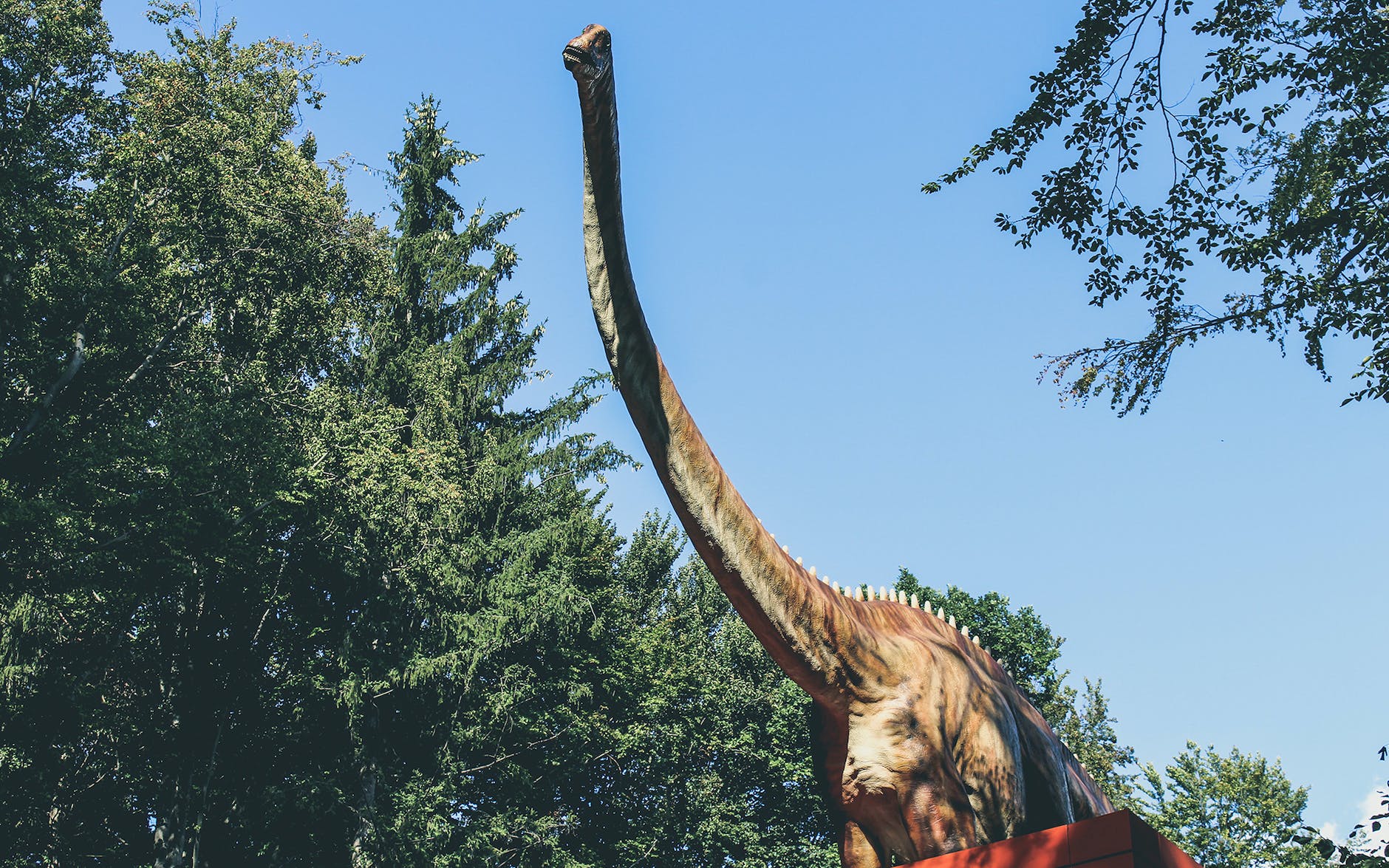
‘Jurassic’ is a familiar word because of the number of movies made with that title. We associate dinosaurs with that word. But have you ever wondered what the word represents? It is a geological period that denotes the time about 200 to 145 million years ago. Much like the industrial age, internet age and AI age in our lives, the Earth’s age is also defined by geological time. The geologic time scale is a representation of time based on the rock and stratification record of Earth. What is found in rocks, sediments and fossils etc. is used to date the age of the planet. Geologic dating allows scientists to better understand ancient history, including the evolution of plant and animal life from single-celled organisms to dinosaurs to primates to early humans.
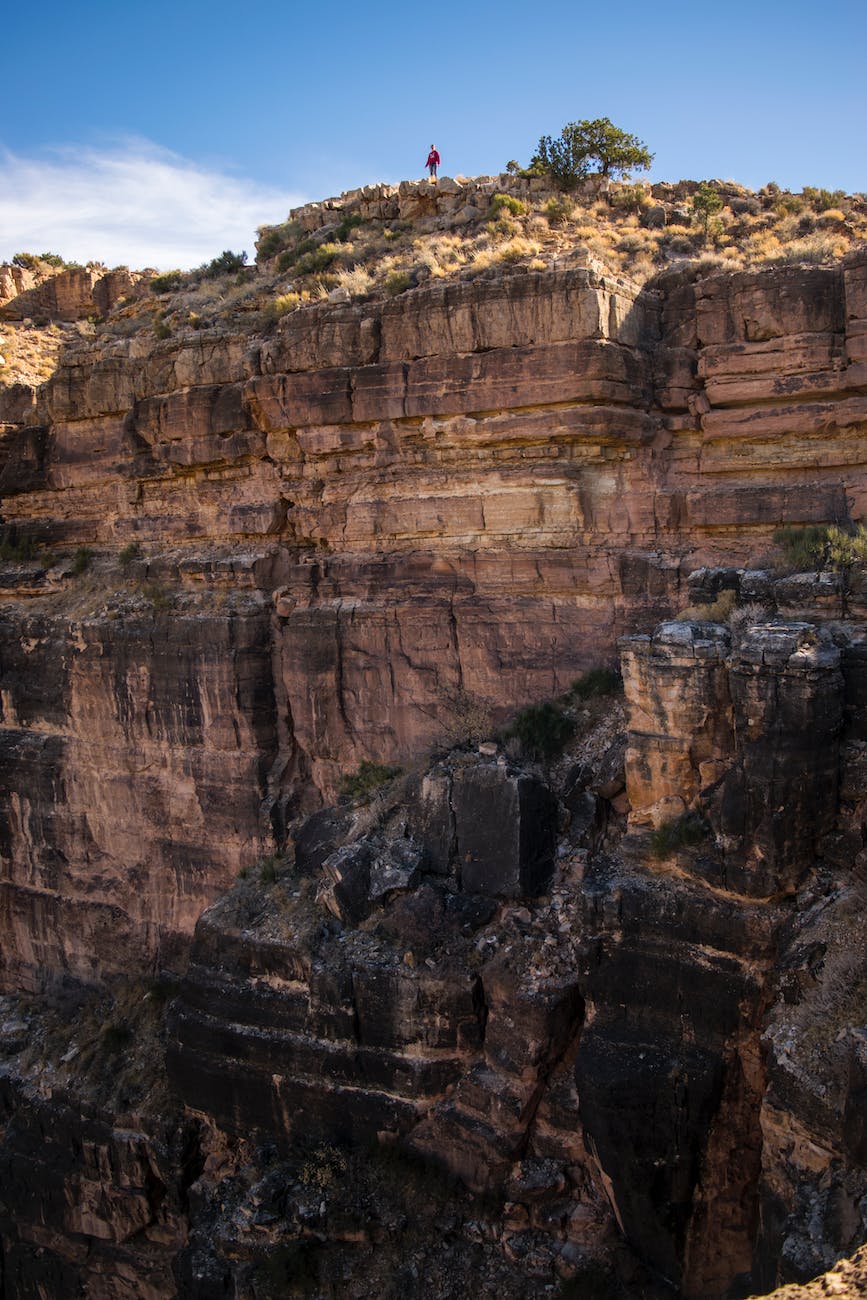
The concept that studying the rocks can give us an indication of the time that has elapsed can be traced back to the ancient Greek philosophers. The discipline evolved and it was in 1911 that Arthur Holmes created the first accepted international geological time scales. Till some time ago we were living in the Holocene epoch, which began with natural warming and retreat of the ice age on the planet about 9700 years before the Gregorian calendar began. And now we have moved into the Anthropecene epoch of geological time. Why is it important?
Homo sapiens, meaning us, have been around on this planet for nearly 2,00,000 thousand years. This is but a blink in the Earth’s 4.5 billion year history, however our brief presence has had many consequences. In the year 2000, Paul Crutzen, a Dutch meteorologist suggested that human influence on earth had become profound enough that its effect would remain visible in geological record for millions of years. He argued that a new epoch of geological time should start to acknowledge this and end the Holocene. The idea caught on and after many meetings of the official group that deals with these issues, finally on July 11th, 2023, the group recommended ushering in the age of the Anthropecene. A layer of sediment in Crawford Lake, near Toronto, has been marked as the proof of the beginning in 1950 shortly after the dawn of the nuclear age.
Finally, it has been recognized that human activity has transformed the earth on a large scale. The carbon dioxide has increased in the atmosphere by about half in the last 250 years, to its highest level in the past 3 million years. This may delay the start of the next ice age by millennia. The microplastics in the oceans are putting layers of materials on ocean floors that nature has never seen. Many species have become extinct, and many have been scattered around the world through shipping and air travel. The physical, chemical and biological changes that humans have brought on the planet occurred earlier only due to nature’s interventions.

What is important for us as we march forward is when and how the Anthropecene will end? Will we reign in our excesses, decouple the economy and the environment, recycle, rebalance the carbon cycle or will it end in a calamity that is nasty and abrupt? Thousands of years in the future, if someone is there to look, the markers of all the changes would be visible in the strata of the earth and fossils. It is really up to us to ensure that a future that looks back on this epoch appreciates the efforts we put to bring back balance to the planet.
Published in Hindi in the Dainik Bhaskar on 24-10-2023

 themindprism - sadhna shanker