
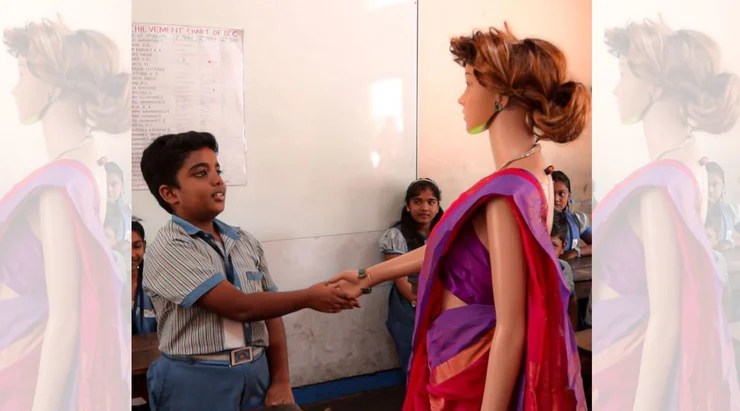
The idea of robots responding, making choices and doing actions based on such thinking has been the theme in many science fiction books and movies. Recently, a Bollywood film too had a robot as the heroine entangled in a love story. But now clever robots that can do all the things imaginary robots did are actually being made. In March this year, a saree clad robot teacher called Iris was introduced in a school in Kerala. Iris has an in-built voice assistant, and uses an android interface to teach and interact. On wheels, Iris understands and speaks different languages and can give solutions to complex problems across many subjects.
From mechanical devices that worked on factory floors, robots have become intelligent and clever due to Artificial Intelligence. By applying AI to power robots, including the large language models and image recognition models, the era of intelligent robots has arrived. The transition happened with the development of ‘multimodal’ models of AI – those that trained on different types of data. Such models learn the interrelationship between the text and the image. Add to these the ‘vision-action-language models’ (VLAM) and a robot with a VLAM AI can understand where it is located physically, and respond to image or text or sound. In a sense the VLAM AI works as the brain of the robot. So an arm robot can predict how the robot arm needs to move to pick up something, and how things around will change with that movement.
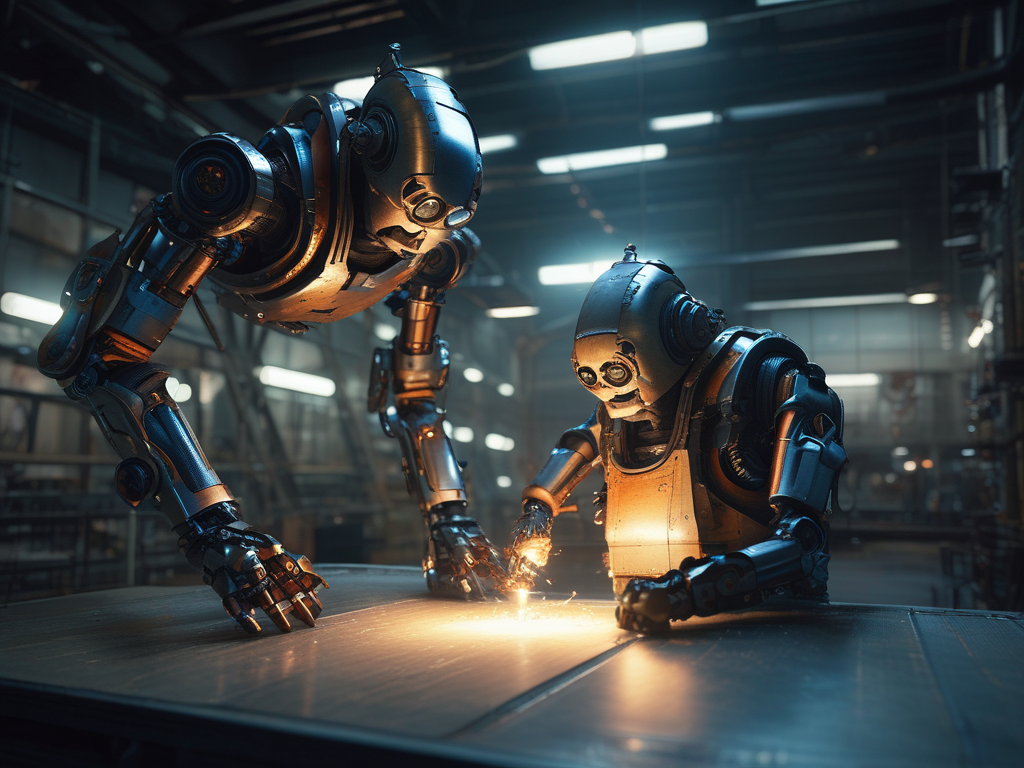
These models also learn new things without being trained for them. The VLAM AI gives robots common sense and knowledge about the world. So a VLAM AI run robot will know that apples are red, and are a fruit! They can also answer questions in text or audio, depending on the software, including about why they are doing something wrong. Robots can be guided manually to perform some tasks a few times, and then they learn and better it.
The rise of ‘embodied AI’ in robots is growing as possible utilisation of such intelligent machines is immense. The market size of AI robotics is growing across the world. The largest share is of the USA where investors are pumping money into this research. In India the market size is expected to show an annual growth rate (CAGR 2024-2030) of 25.80%, resulting in a market volume of US$1,306.00 million by 2030. As we move forward, the projection is that AI will not be thought of as something in a computer or a phone, but will be physical machines functioning in our world.
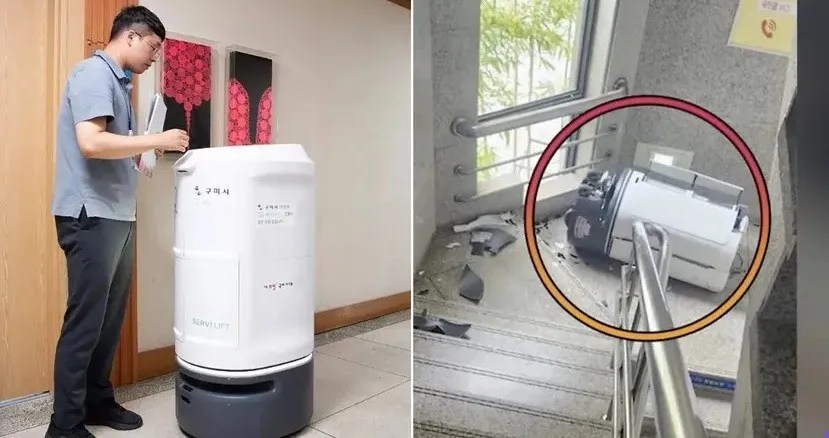
How human-like robot brains are becoming is already evident. The first alleged robot suicide was reported in South Korea in July this year. A robot that was a supervisor civil servant in a municipality was found unresponsive at the bottom of a staircase. The robot used to independently move around the building in the elevators doing its work since August last year. Was it tired, overworked, depressed or just had a burn out? They are analysing its parts to understand. Intelligence has a price as we all know. While we make the robots more intelligent, maybe we are also passing on the problems that come with being intelligent and like sapiens!
Published in Dainik bhaskar on 31 July 2024

 themindprism - sadhna shanker
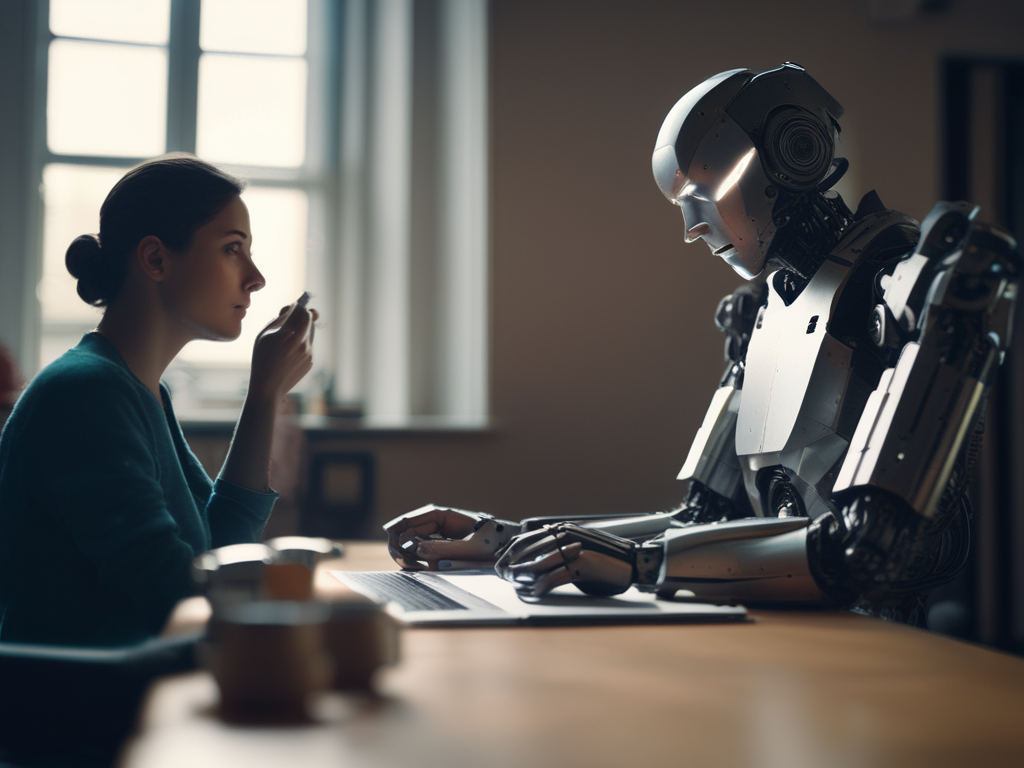
I am all for robots. I can only imagine how helpful and wonderful it would be to allow ChatGPT to have some sort of form outside of a PC.
LikeLiked by 1 person