
Recently, the living legend, AR Rahman brought back the voices of two well-known deceased singers Bamba Bakya and Shahul Hameed in his album ‘Lal Salam’. For the first time a music professional used an AI voice model in the country. AI and music have a long history dating back to times when AI was not what it is today.
The first ‘rule based’ models date back to the 1950s, which translated music theory into algorithms and probabilities. But the flood gates opened in 2023, when Meta released the source code for Audio Craft, a generative AI for music models. With this source code, AI firms created and trained various music models, with additional codes. MusicGen one of the models created, is trained on about 4,00,000 recordings and has about 3.3 billion parameters that allow users to create music based on prompts.
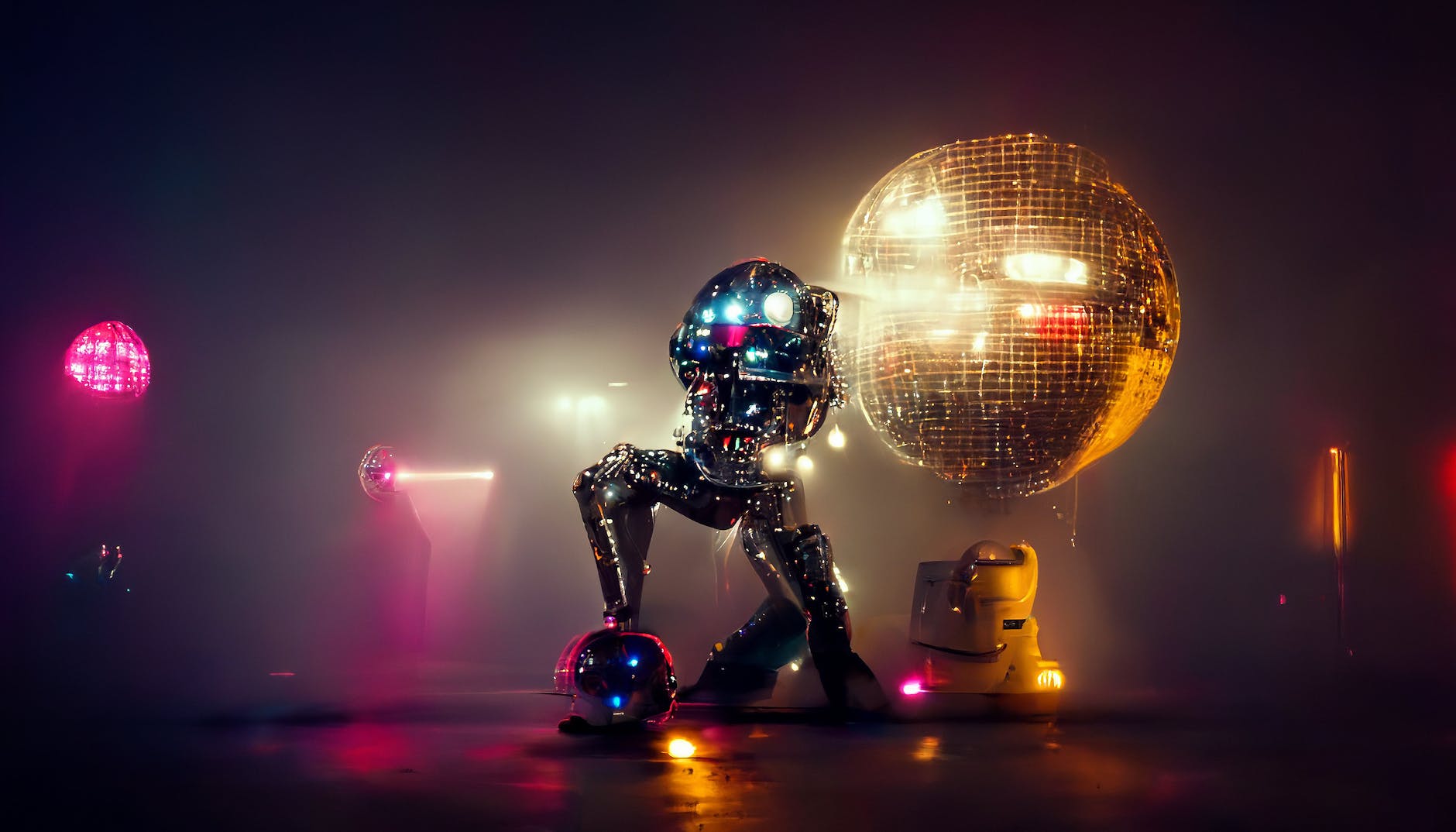
There seems to be no looking back where the convergence of music and AI is concerned. AI can recreate voices of dead singers, create music complete with theme based lyrics, create unlimited remixes of varying moods of songs, and as some AI firms claim, retain the unique fingerprint of the original musician in its creation!
Much like the rest of our lives, the music we create and hear as audiences is seeing a transformation due to AI. There are dissenting voices and concerns being raised. Someone has been quoted as saying that AI can never create true music because ‘no one broke its heart’. Apart from the fear of the disappearance of the magic and emotion from music, legal hurdles also need to be sorted out. Much like challenge to the language models being trained on the written word without consent, training of music models on copyrighted materials is an issue. The limitations of the models in terms of creating a narratively complete songs, and harmony mismatches are problems. Issues around musical deep fakes and how our ideas about legacy will change when dead singers are recreated are being debated.

However, much like the rest of the AI sphere, there is a realisation that there is no stemming the tide. Many look at the benefits. One of the main benefits is that AI empowers the amateurs – anyone can now create music. The AI handles the technical aspects, which earlier required experts and resources. Professionals too use AI to clean up tracks, as also used for ‘style transfers’ to transform the recorded music into coming from another instrument or voice. Many argue that AI is merely a tool that can and should be used to enhance the musical experience.
For listeners, the musical choices are becoming immense. However, much like in other areas, the challenge will increasingly be to figure out whether the music one is enjoying is AI generated or created by a human. Maybe it does not matter as long as it stirs the soul – the way music is supposed to. Creativity and imagination are the weapons that made humans the supreme species. Only time will tell if AI will also acquire those skills. As of now, AI only trains on what we create.
Published in Lokmat Times on 28-4-2024 as also in Marathi in a Diwali issue


 themindprism - sadhna shanker