
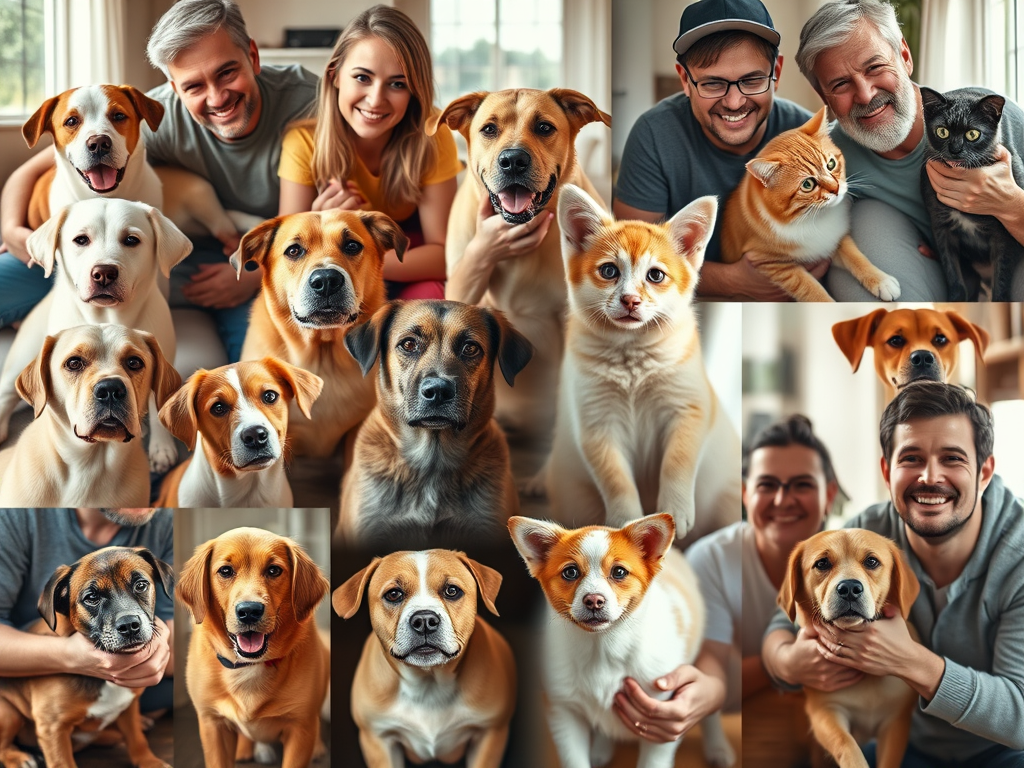
Pet cats, dogs and their owners are debate issues in the US presidential election these days. Apart from leading to a meme feast, it also highlights the importance pets have gained in contemporary lives. Keeping pets and showering affection on them is not something that is new or contemporary. Archaeologists have found graves from more than 10,000 years ago containing remains of humans and their dogs. Some of these dogs were hurt or diseased and had been looked after, indicating pet care. Royalty all across the globe had portraits of owners and their glorious pets adorning palace walls. We go to museums and admire them!
What has changed is the scale at which pets have begun to consume resources of contemporary households – in terms of money, time and emotions.

This ‘humanization’ of pets is a more recent phenomenon. Pet owners have transformed into pet parents and in places like Korea they prefer to be called the ‘butlers’ of their pets. The idea is not that the pet has become human, but that the pet can offer in terms of love, companionship and understanding to their human owners/parents what is expected from relationships from other humans. Pets calm you down, are good for health, provide companionship, help you get over depression and loneliness …. the list of pet benefits are endless. Whether they are true or not is still open for more research.
Pets were earlier fed on household leftovers and lived in the backyards, now they are fed specialized diets, taken to salons, dressed for parties, married off and occupy their own bed or often share beds with their human owners. This has spawned a pet industry that is growing by leaps and bounds. COVID-19 gave an impetus to the pet industry, as many lonely locked up people adopted pets. The compound annual rate of pet spend grew from 2019 to 2023 by 11% at nominal rates compared to 6% for consumer spend. And this spend is growing exponentially. It is projected that by 2030 annual pet spending will be around $260 billion, as more and more people adopt and spend on their pets.

Millennials are putting off having babies, many are opting to be exclusive pet parents and Generation Z is also pet loving. Pet parenting typically is a phenomenon of richer households, and as per research kicks in when the family income crosses $5000 per annum. Although the pet boom was preceded by a drop in birth rates, and in many places culturally, pets and children complete the family. However, increasingly pets are substituting children in wealthier economies and among the young. So, US debates focus on ‘cat women’ and pet parenting is featured often on Sunday pages of many Indian newspapers. The Indian pet care industry is worth $900 million, and pet food market alone would be worth $650 million in 2024. Pet friendly restaurants, hotels and airlines are expanding.
As the spend on pets grows globally, the services available expand to include the furry friends of humans in their journey across life. What pet lovers supposedly seek from pets – understanding, unconditional love, support and companionship – is what we seek from friends, partners and spouses. Are pets replacing the idea of human connection? Something we need to think about.
Published in Lokmat in September 2024

 themindprism - sadhna shanker