
These days there is excitement, speculation and fear about the entry of AI into our work, business and lives. Ever since the launch of ChatGPT in November 2022, every day, AI seems to be encroaching upon new domains. Will jobs in the media, travel, or education disappear? Will our privacy be further compromised? Will businesses crumble unless they innovate? The questions are endless, and while we grapple with them the march of AI continues unabated.
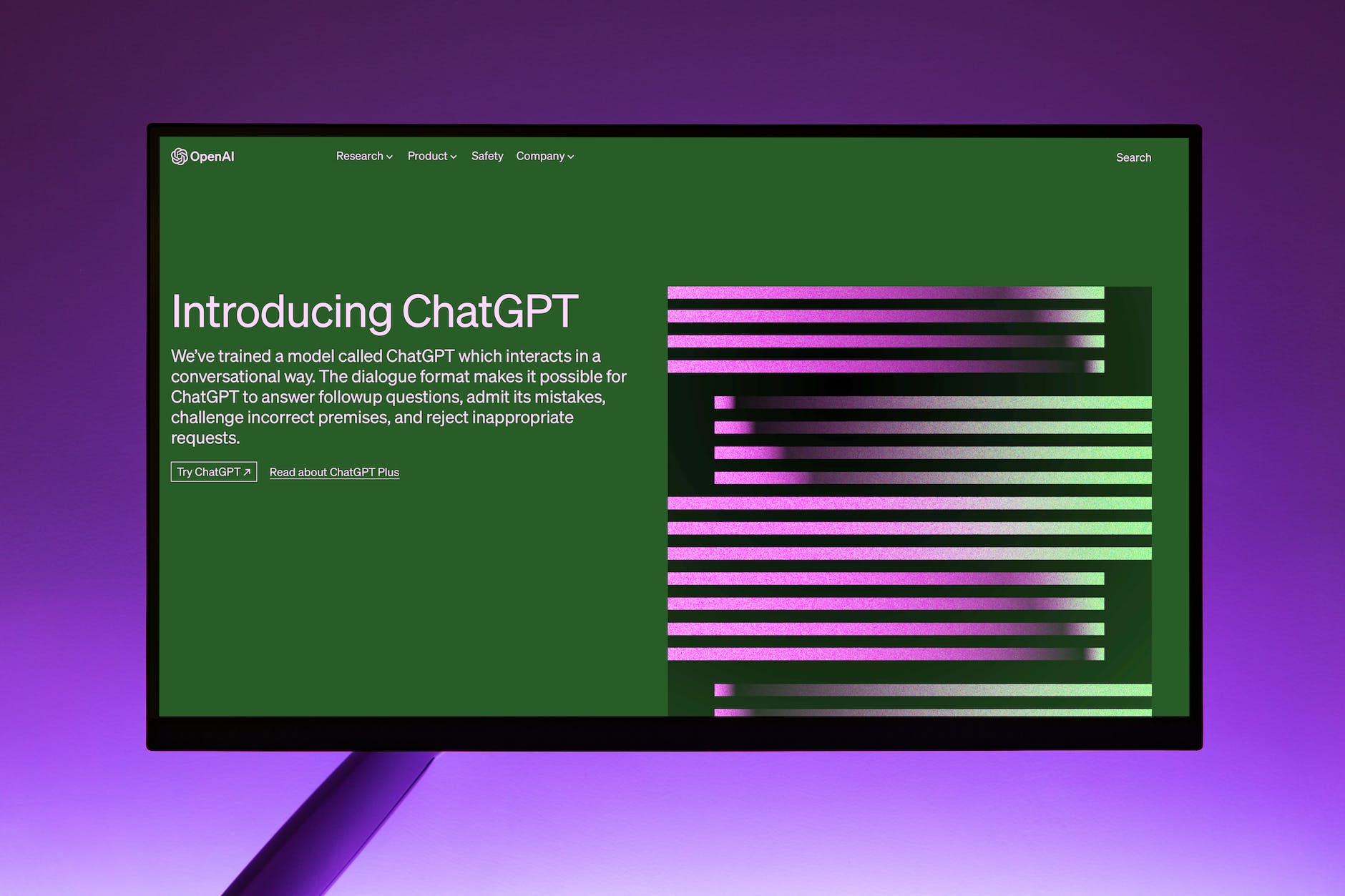
The current journey of capable AI began with ‘deep learning’ software in the early 2010s. Using large data, running powerful computer neural networks on Graphics Processing Units made the computers capable of recognizing images, process audio and play games. However, normal people like you and me – non-coders or simple internet users did not interact with such machines, and they were somewhat removed from our everyday lives. But ChatGPT changed that forever.
Using large language models (LLM), generative AI like ChatGPT has changed the game, because it makes interaction with AI conversation based for the user. When you type in a prompt, the response can seem magical. Already, models can churn out images, digital photos, drawings and animations. Generative AI has transformed knowledge into a conversation. You don’t need to read a book or go through pages of sites – the AI presents you the exact information you need in the form required.

Trained on vast volumes of data, the algorithms learn from them, and then compute answers to our queries. It is easy to use, has multiple uses, converts language to code, and its ability often surprises its makers too! That is why AI is both exciting and frightening.
As the AI juggernaut moves forward, building systems around LLMs is likely to be the way forward for a while. As the much talked about recent Google memo points out, researchers are using free, online resources to achieve results comparable to the big proprietary models for specific tasks. Very soon people will be able to order food or plan and book travel by merely typing into a box.
The issue of job displacement by AI is predominant these days. However, many point out that if we look at the history of employment and technology it is clear that job destruction happens far more slowly than feared. The automatic telephone exchange was invented in 1892, however the job disappeared only in the 1980s. The change is slower than feared because of many factors – regulation, adoption by people and then newer jobs appear on the horizon. AI, however, may not take decades to upend jobs and business because of its ease and multiplicity of use, so we all need to gear up to a changing work environment. Reskilling and upskilling will now need to be constant companions, as we need to adopt and adapt to newer uses of technology.
For AI makers and governments, the ethical issues associated with AI would also need to be addressed. Inherent biases and incorrect responses of the algorithm picked up from the data sets it is trained on, lack of accountability of AI decisions when put to use in business, the growing menace of fakes and frauds due to the generative capacities, and its use in surveillance and decision making are some of the things we need to be cautious about.

AI is basically tech; and once you understand that its responses are basically a huge exercise in statistics it becomes somewhat relatable. However, how AI will evolve, how much the machines will learn, and increase their capabilities is still a subject of research and speculation!

Published in Hindi in the Dainik Bhaskar on 24-5-2023

 themindprism - sadhna shanker