
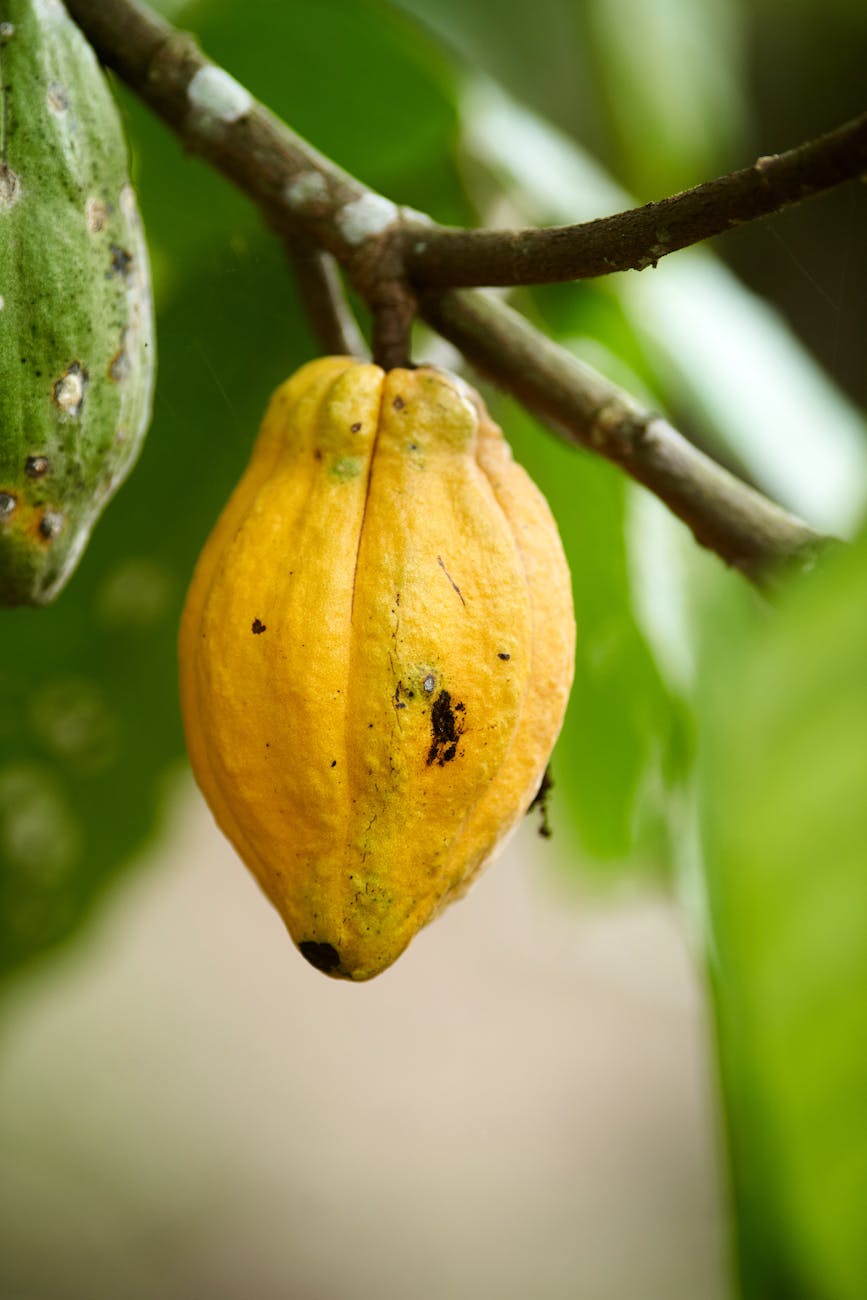
This season for the third year in succession, cocoa supply is expected to fall short of global demand by 8.5% of global production. The price of cocoa beans grew to a record $12,000 a ton in April 2024, around four times last year’s price. The chocolate industry meltdown is driven by climate change, and growing problems of cocoa farmers. As per research, the patterns of cocoa tree holdings are leading to a destructive loop where climate change reduces the cultivable land, so farmers cut down trees to grow cocoa trees. The cocoa farmers are not the only ones, it is happening globally. Land, one of the primary resources of humanity is suffering at our hands – we have degraded it, made it suffer droughts and become a desert in erstwhile green areas.
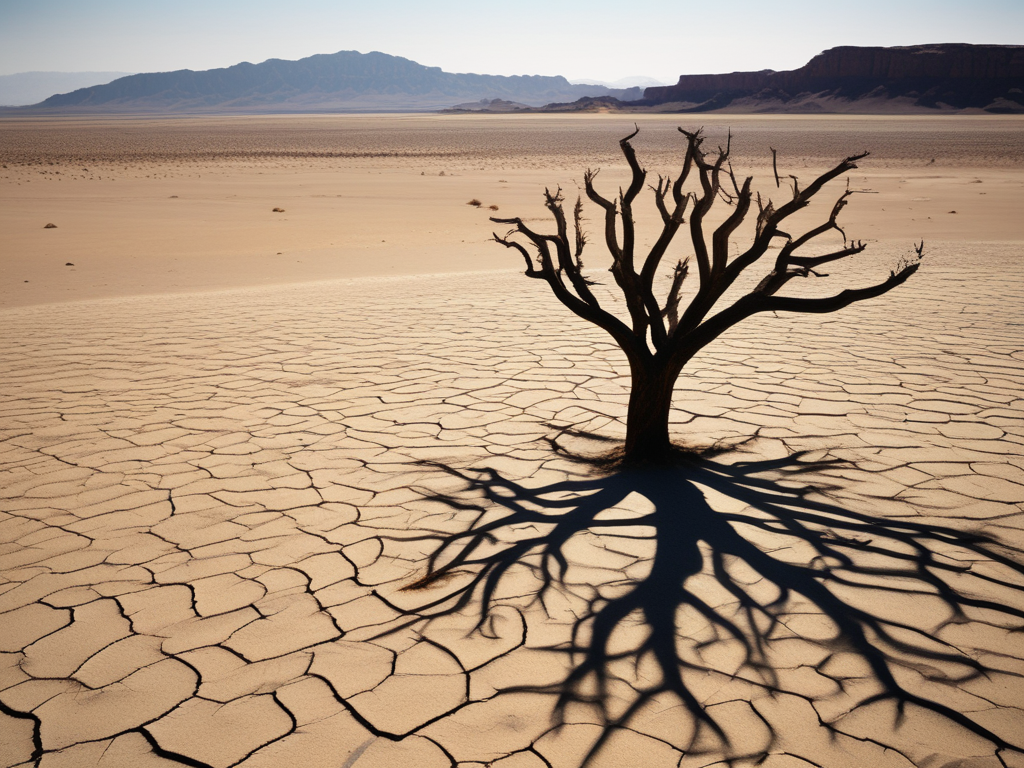
This year, the UN celebrated the World Environment Day with the theme “Our Land. Our Future. We are #GenerationRestoration”. This slogan aims to put focus on land restoration, desertification, and drought resilience, and efforts to restore land and our ecosystems. The spotlight on land and its restoration is driven by UN reports that point out that up to 40% of the planet’s land is degraded, directly affecting half of the world’s population and threatening roughly half of global GDP (US$44 trillion). The number and duration of droughts has increased by 29% since 2000. Without urgent action, droughts may affect over three-quarters of the world’s population by 2050. The impact is more on women and the poor. “We need an exit ramp off the highway to climate hell,” said the UN Secretary General on the occasion of the World Environment Day.
In India, the Desertification and Land Degradation Atlas, mapped by the Indian Space Research Organization (ISRO), found in 2018-19 that 97.85 million hectares (Mha), or 29.7% of India’s total geographical area of 328.72 Mha, had suffered degradation. Analysis of the data further reveals that more than half of the degraded land in the country is either rainfed farmland, or forest land. This does not augur well for food security or combating climate change.
As per a World Bank report, India’s drought-prone areas have increased by 57% since 1997, combined with instances of heavy rainfall rising 85% since 2012. As has been happening, simultaneously, some part of the country suffers drought, while other parts floods.
The government has been taking many steps to promote afforestation, greening and land restoration. The Nagar Van Yojana, National Coastal projects, National Mission for a Green India and the like are part of it. India is also signatory to the Bonn Challenge 2015, and the Paris Agreement. Efforts are on-going to meet the targets that have been committed.
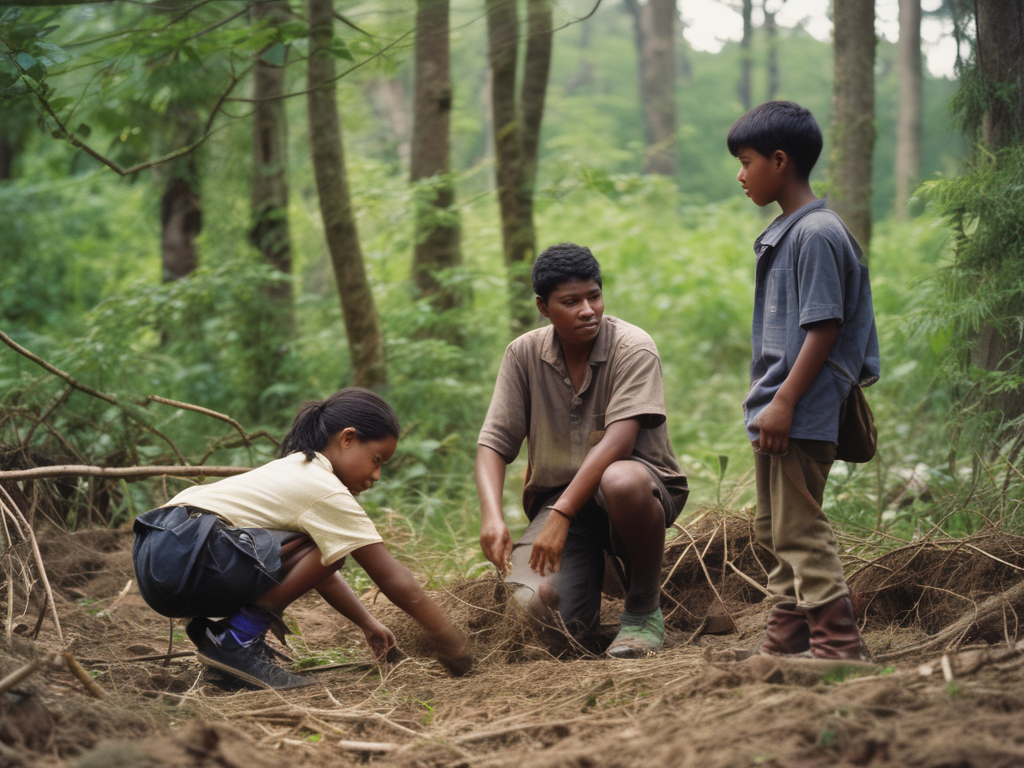
The real custodians of land are the people, and unless all of us – in urban or rural areas – become part of these efforts at our individual levels, we are not going to exit the highway in time. Small everyday steps – saving water, segregating waste, using natural fabrics, eco-friendly farming techniques, planting trees- all add to the global edifice to reclaim our land. Let us truly become the #GenerationRestoration.
Published in Dainik Bhaskar in June 2024

 themindprism - sadhna shanker