
Most people have a favourite chocolate, at every stage of life! The market too has expanded and diversified manifold. From the straightforward milk and dark chocolate varieties to those with chilli, alcohol, nuts and what not, the choice is overwhelming. But for chocolate lovers the news is not promising.

Chocolate is food made from the fruit of the cocoa trees. Cocoa beans are processed through roasting, fermenting or drying and sugar and cream is added to make chocolate. As a drink or as food, chocolate has been consumed in some form for more than 5000 years starting with the Mayo- Chinchipe culture. The word “chocolate” entered the English language from Spanish in about 1600.
Presently, four West African countries, Ivory Coast, Ghana, Nigeria and Cameroon produce about 70 % of the world’s cocoa beans. Of these, Ivory Coast and Ghana account for more than 50 % of the world´s cocoa. As per reports, the Global Chocolate Market size was valued at USD 421 billion in 2023, and is projected to grow to at CAGR of about 4.1% till 2030. The Indian Chocolate Market size is estimated at 2.31 billion USD in 2024.
This season for the third year in succession, cocoa supply is expected to fall short of global demand by 8.5% of global production. The price of cocoa beans, the most important raw material in chocolates, has risen to a record $12,000 a tonne in April 2024, around four times last year’s price. This meltdown in the chocolate industry is driven by climate change, effects of El Nino, and consequent growing problems of cocoa farmers.
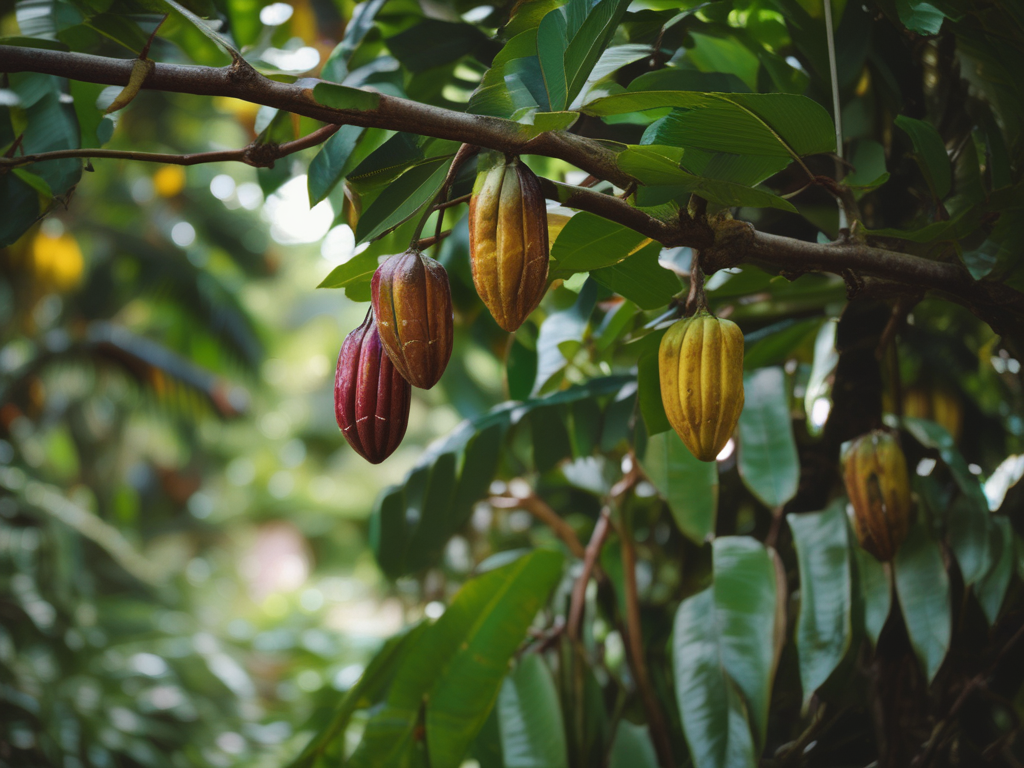
The best ecosystem for cocoa trees is the rainforest, and typically commercial cocoa is grown within 10 degrees north and south of the equator. However, with rising temperatures, rainfall in the region has become unpredictable, posing a problem for cocoa trees, which are humidity sensitive. The extreme weather events hitting the planet are also making the trees more vulnerable. The El Nino effect that warmed the surface waters of the equatorial Pacific Ocean in 2023 resulted in extremely heavy rainfall in West Africa. This has been a major factor in the spread of the black pod disease in cocoa trees.
The vast majority of the world’s cocoa is produced by farmers who have less than five acres of land. Research has shown that the patterns of holding is leading to a destructive loop where climate change reduces the cultivable land, which makes farmers cut down trees to grow cocoa trees. This leads to further climate change.
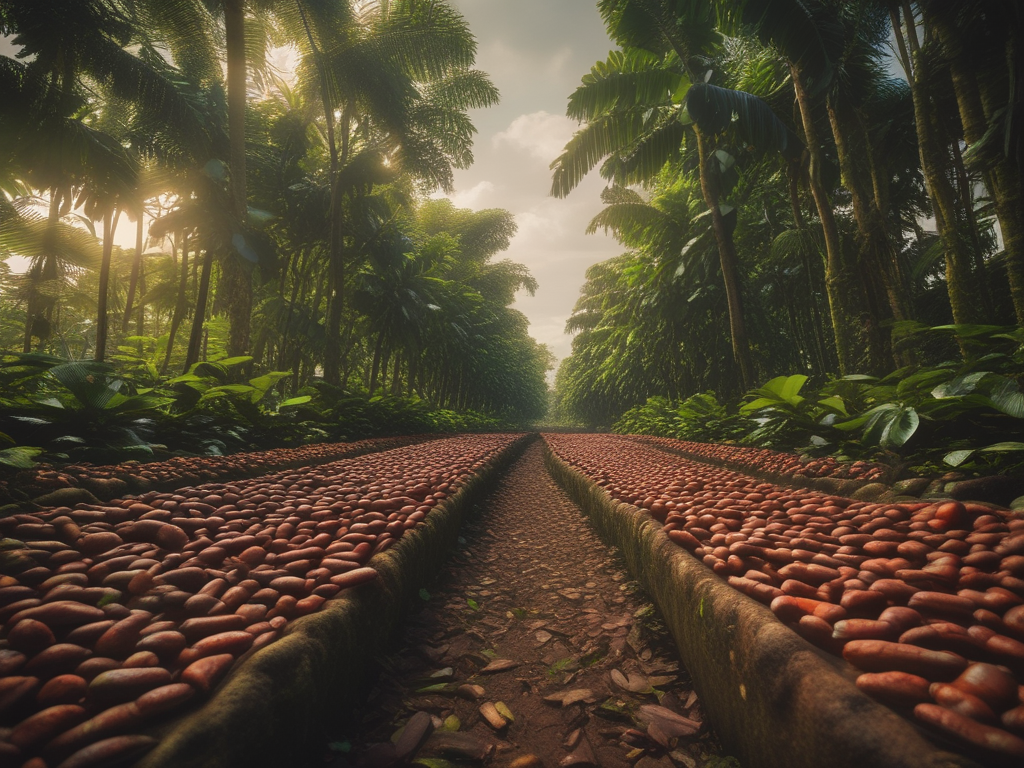
While major chocolate producers are adopting tactics like reducing sizes of chocolate bars, or producing more filling varieties, many are also closing higher end chocolate factories. If the problems go unaddressed, for chocolate lovers all over the world, soon chocolates will become much costlier. Worse, according to some predictions, by 2050 chocolate may become extinct!

How the journey of the humble cocoa bean progresses is going to be an indicator as to how we move ahead in our efforts towards mitigating and adapting to climate change.
Published in Lokmat in 19-5-2024

 themindprism - sadhna shanker