
The dream to land on Mars got closer to realization on October 13, 2024. Elon Musk’s audacious dream to save human civilization by colonizing Mars is no more the fantasy of a billionaire. On its fifth launch, Starship, the brainchild of Musk’s SpaceX company, launched successfully and both booster and Starship returned to Earth. According to many, this is the most remarkable leap in space exploration since the 1960s.
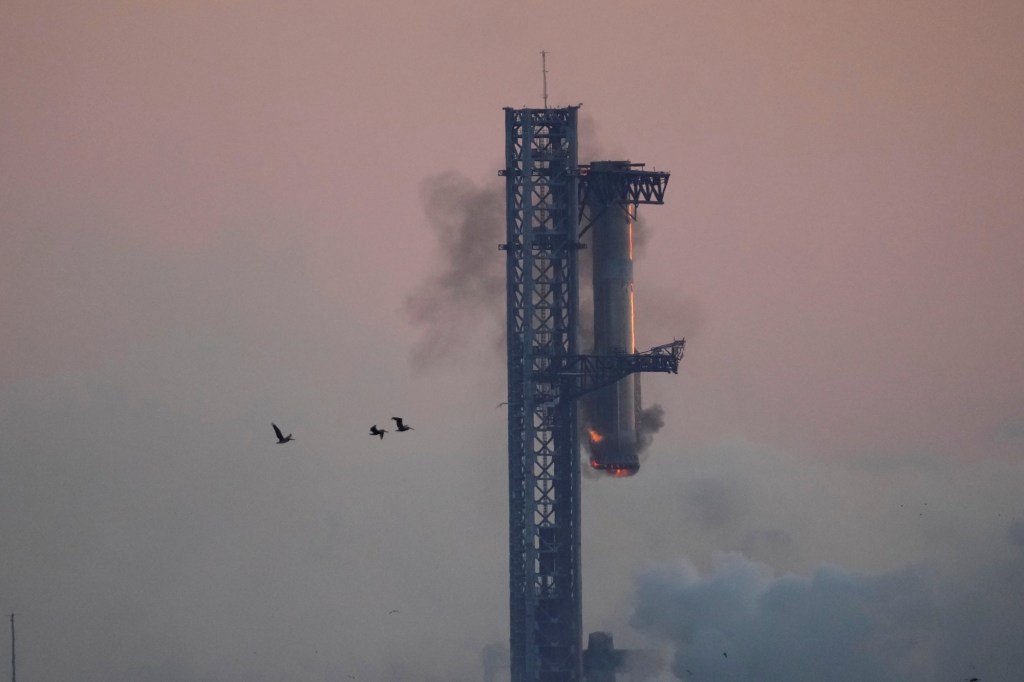
In simple words, SpaceX used a super heavy booster to launch a huge Starship; both are reusable. The steel cylinder booster matches a Boeing 747 in length and comfortably outdoes it in girth, and runs on 33 engines. When it is full with the fuel, it weighs nearly 3,400 tonnes. The Starship itself rides on the top of the booster. It has six engines, of which three are designed to work in the vacuum of space. On October 13th, the booster with its luggage was launched from Texas. Starship pulled away from the booster 70 km above Earth.
Within seven minutes of its launch, the booster returned to its launch station, and was grabbed by a pair of arms of the gantry tower. The image of the booster flickering in the grip of its launch tower was viral on social media. An hour after the booster’s return, the Starship itself landed in the Indian Ocean at its predetermined landing spot. SpaceX has opened the portals of space exploration to voyages which hitherto were only the stuff of dreams.
The launch clearly indicates the capacity of SpaceX to put heavy payloads into orbit on a regular basis. No other rocket company currently has a reusable first stage. The cost per tonne of putting payloads into space would reduce with reusable rockets and spaceships. Of course, more work is needed on Starship. It needs to get into orbit and get out, it also needs to turn its engines on and off in space. Also, Starship too needs to land into the waiting arms of the gantry tower like its booster. SpaceX is likely to cross these limits shortly. As per estimates this flight’s success indicates that it would have an operational capacity within the next few years.

That would mean that in a couple of years more numerous and more massive Starlink satellites would orbit Earth, greatly increasing the capacity for providing high-speed internet access globally. It could also lead to creation of propellant depots in orbit, which would serve as refuelling stations. In the future, Starships would be able to refuel in orbit on way to the Moon, and one day on way to Mars. This is the hope on which SpaceX aims to put five uncrewed Starships on Mars in 2026, and crewed ones soon thereafter.
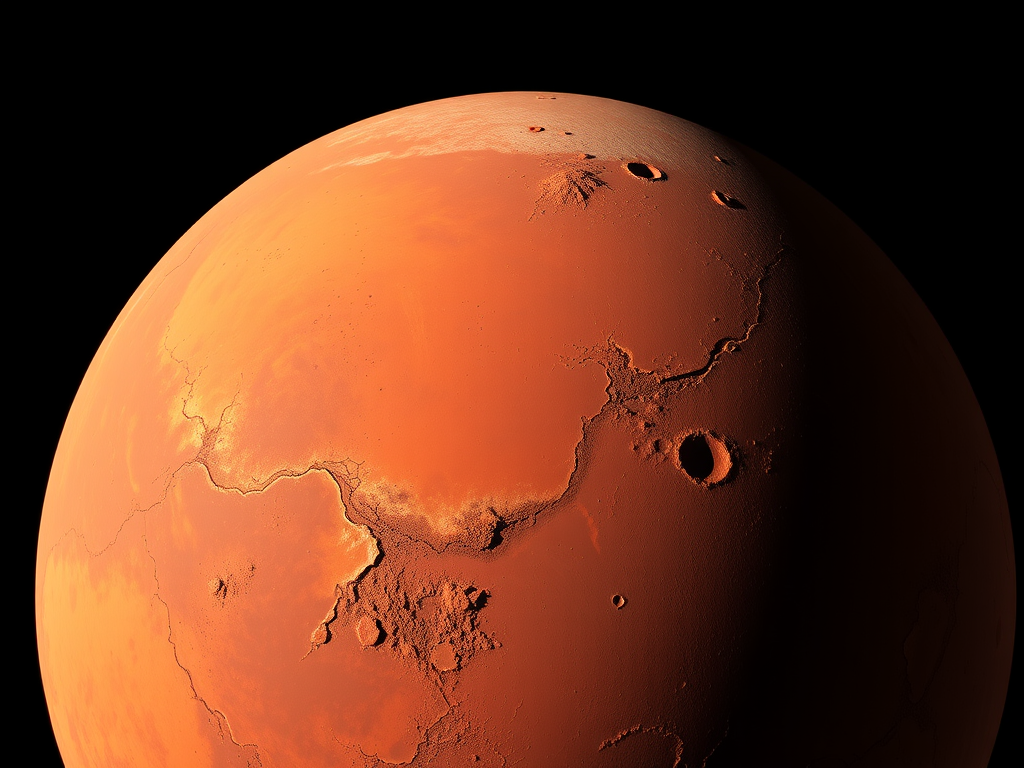
On one hand AI is marching ahead with inroads into all aspects of human life, and on the other humans are marching ahead in their hope to move to other planets. Who or what will survive and where? The debates around these questions continue.
Published in Lokmat in October 2024

 themindprism - sadhna shanker