
Our life has moved online in so many ways. The way we consume news, shop, heal and engage. Most of it is online. AI has further trapped us in the virtual world as we lean on it to make our life and work simpler. This online world dumps information on us in quantities probably our brains are yet to get accustomed to.
As per reports, in 2025, the total amount of information created, captured, copied, and consumed globally was 181 zettabytes. (One zettabyte equals one trillion gigabytes). It is expected to continue increasing with 402.74 million terabytes generated daily!
This information overload is creating havoc in our lives. The term ‘information overload’ was coined by Prof Bertram Gross of Hunter College, USA in 1964.

The problem is not new. It started in 1450 with moveable type technology being brought in use by Johannes Gutenberg, a German printer. It led to a proliferation of printed matter. Followed by carbon paper, cyclostyling and photocopying – as replicating information became easier information overload moved forward. Digitation of information, which makes publishing possible at the push of a button, has taken the problem to another level.
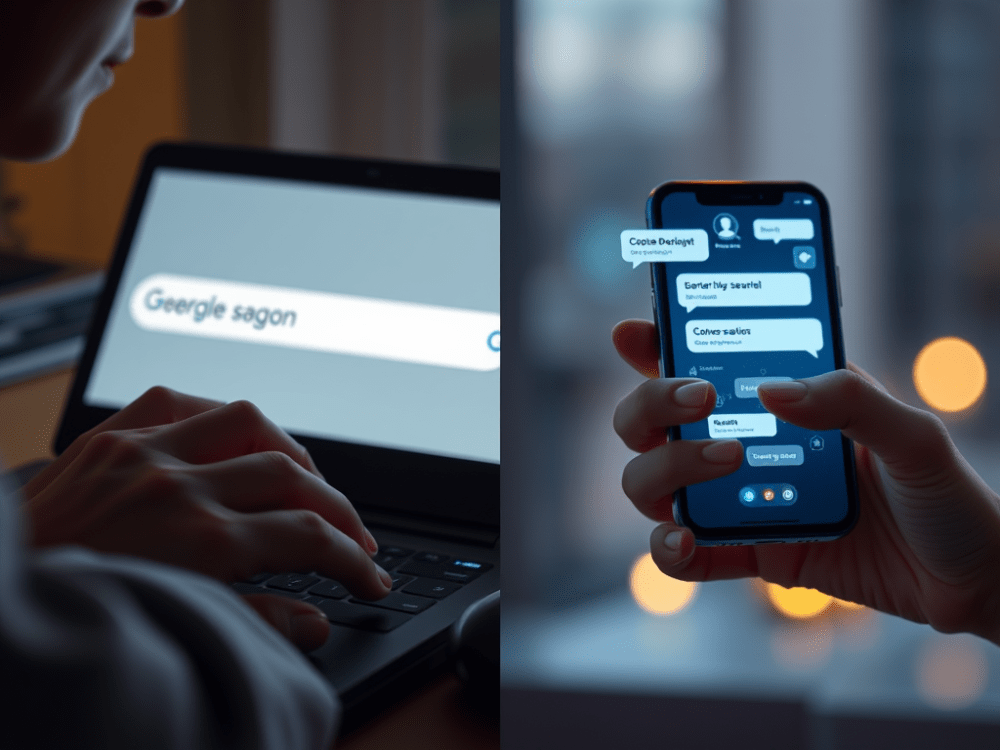
Today, anyone who has a smart phone lives in a hyper-connected world. Apps on the phone, and wearables that track fitness, health, finances, exposure to the sun or even sleep quality, generate data for users on a near continuous basis. The data streaming from these gadgets is often not understood or read correctly by users, or could be without any context. If you are using a Fintech app, and the movement of markets are not understood by you correctly, the data streaming from your device can cause unnecessary high levels anxiety.
Information and data are also streamed continuously on social media. News, views and information are flooding our lives, and often we mindlessly consume the information, and do not have the time or the inclination to process it. This leads to confusion and stress. The desire to remain updated and see every message and post leads to fatigue, disruption of sleep patterns and anxiety. In the midst of countless apps, devices and choices, attention spans are becoming smaller and smaller
At the workplace also, information overload has negative consequences. People have to access different email and user accounts; they need to remember different access passwords. With hybrid working becoming the norm the stress multiplies.
So how to deal with it? Businesses are increasingly using AI to hyper personalize data to deliver customized and meaningful information. For instance, instead of simply counting calories, diet apps are promoting mindful journaling of what you eat.
As individuals, we need to be mindful of the information overload in our lives. Disable push notifications in your apps, mindfully allocate time to social media, try and be on only one device or platform at one time. Learn to ignore unnecessary information. Further, don’t try and quantify everything – the walk, the run, the sun – enjoy activities without tracking outcomes!

Published in Lokmat Times in March 2026


