A small write up on the last pages of a newspaper recently caught my eye. Maybe it is because I became a senior citizen myself recently! It was about observance of the International Day of Older Persons every year on October 1 by the UN. It was started in 1990, but it has gained prominence because population ageing is now an irreversible global trend.

In 2021, one in ten people worldwide were aged 65 and above. In 2050, this would be one in six people globally. It would mean that the number of people 65 years or over worldwide will be more than double the number of children under age 5 and about the same as the number under age 12.
In India too, as per the Report of the Technical Group on Population Projections for India and States 2011-2036, there were nearly 138 million elderly persons in India in 2021 (67 million males and 71 million females) and that is expected to increase by around 56 million elderly persons in 2031. For 2021, it was seen that the annual percentage growth rate of elderly population is 3.28%. Among the States (except UTs and North Eastern States), maximum average increase was observed in Delhi (6.60%) followed by Gujarat (4.88%) and West Bengal (4.27%). While least average increases of elderly population were seen in Uttar Pradesh (2.16%), Bihar (2.28%) and Madhya Pradesh (2.53%). In global reports it is estimated that by 2050 India will have the world’s largest population of older adults.
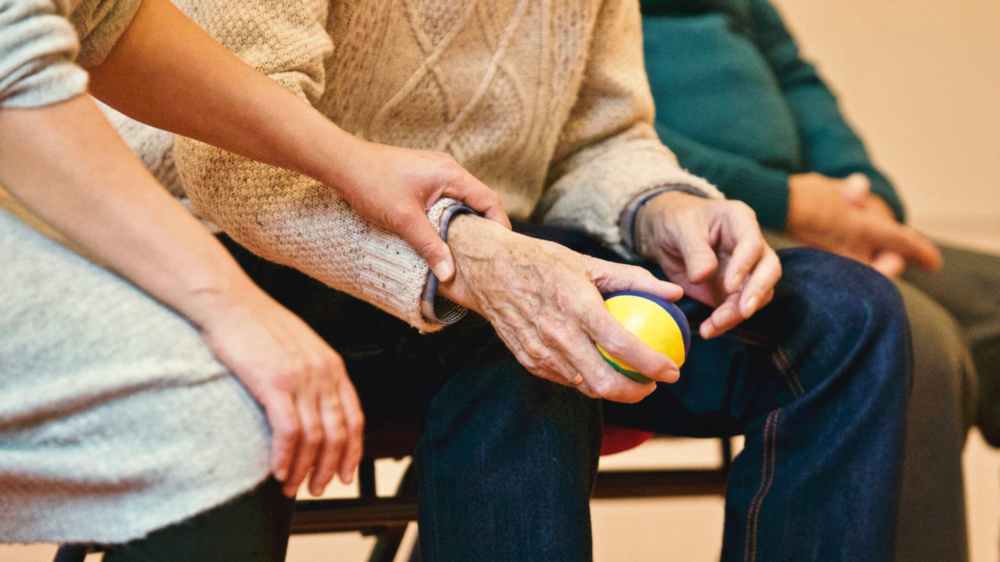
Ageing populations globally are a result of better living conditions – better education, healthcare, and nutrition. These have increased longevity, coupled with lower levels of fertility. It has implications for nearly all sectors of society, including labour and financial markets, the demand for goods and services, such as housing, transportation and social protection, as well as family structures and intergenerational ties. It is both a sign of collective human success and a challenge.
While for individuals ageing brings its own issues and challenges that include physical, emotional and financial aspects. Increasingly elder abuse has also become a reality, which became more evident during COVID. Women tend to live longer, have fewer resources than men and are more likely to live alone. In both developed and developing countries, older persons are more likely to live in poorer households than working-age people. Loneliness amongst the elderly is also an increasing predicament.
The burden of a large elderly population on a shrinking base of working age people poses a fiscal and macroeconomic challenge. There are no short term solutions to these problems, however with elderly populations growing, how societies and countries tweak their policies and functioning could probably shape their destinies. Japan is being keenly observed as it deals with its rapidly graying population.
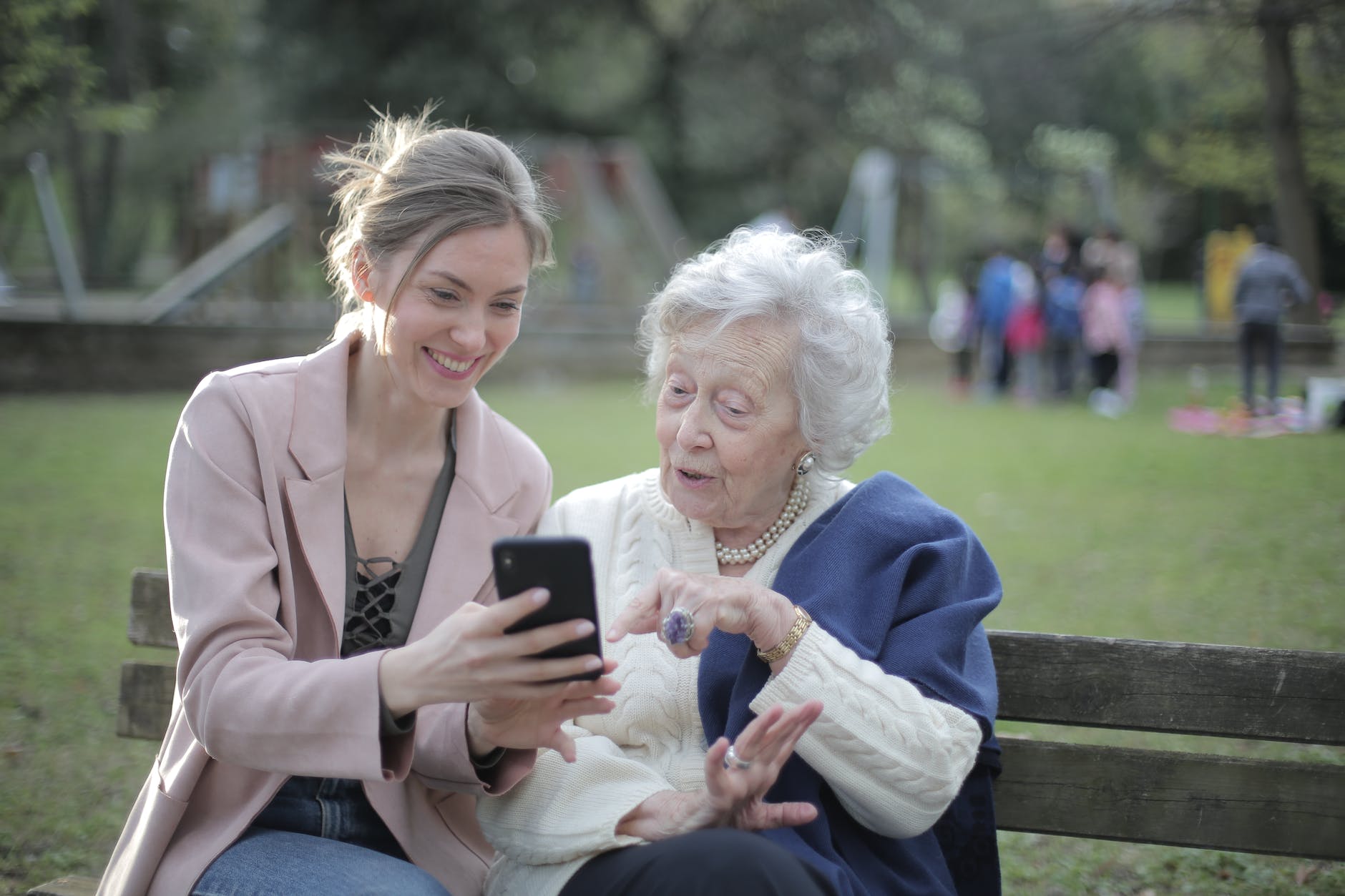
The world has always responded to demographic changes through technology interventions, behaviour change and policy. As individuals we can respond by being more aware and respectful towards the older persons in our midst, be it family, the vegetable vendor or the security guard at the doorstep.



If we are lucky we will all experience this – so we need to embrace it!
LikeLike