
We have an inquisitive eight month old at home, who keeps lunging at the phones that innocuously lie around. Her young parents fret as to how they will keep her away from the screen as she grows up. While I listen to them I see my mid-sixties husband sitting silently in the room intent on his phone. Like many other older couples, we bicker about each other’s phone use frequently!
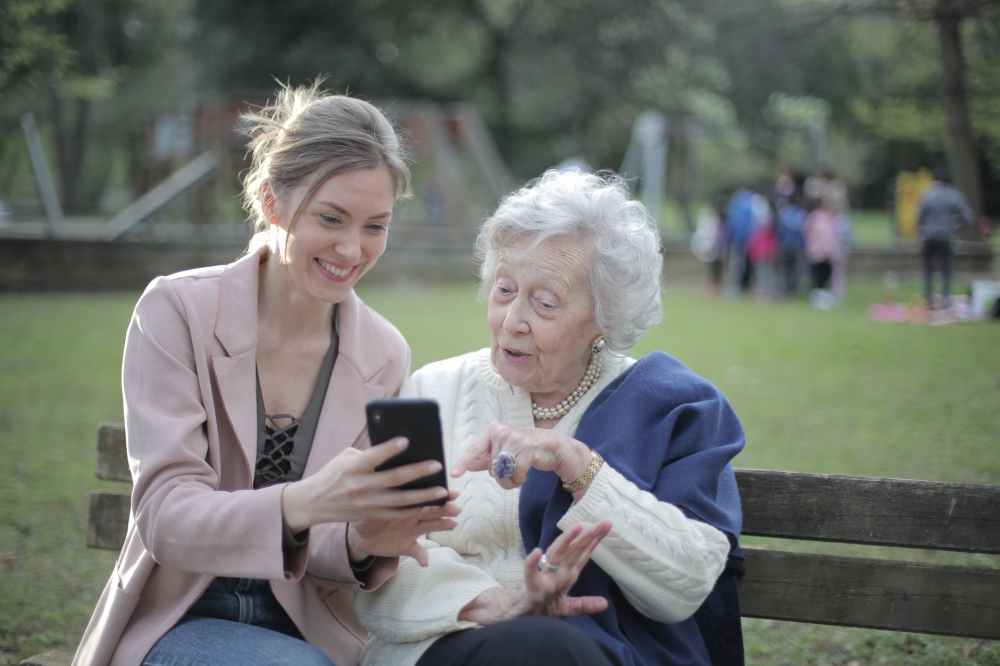
‘Square eyed’ elders are the newest addicts of the screen. As a generation that became digital around middle age retires most are adept at using smartphones, game consoles, tablets and the like. Consequently, older people are now spending more time before the screen than youngsters. The earlier older generation was a champion of watching television. As per research, over the last decade while radio and TV usage has remained steady in people past their sixties, time spent on social media, gaming and audio streaming has increased. Resultantly, older people are spending way more time before a screen than they ever did.
It is evident in homes and on the streets – the elderly hawkers, ‘chowkidars’, auto drivers and street food sellers are glued to their phones, as much as the youngsters who hang around their stalls. Even tech companies are waking up to this new cohort of consumers. Apple now makes earphones that double as hearing aids and watches that call an ambulance if the wearer falls!

There are upsides to the older people having a thriving digital life. They remain more connected with long lost friends and family far away. Zoom and other meeting platforms bring their favourite activities and pastimes into their homes. E commerce takes away the need to go out and shop around. All these do impact loneliness and isolation. However, digital life also makes them more vulnerable to online scams. Unlike the young, many older people use the internet for financial transactions, and scamsters who now rule the cyber waves target them easily. Most of the ‘digital arrest’ victims have been elderly and retired people.
Youngsters have a constant watch on their screen use by teachers, parents and regulations. Australia has recently banned social media use for under 16 year olds. The WHO advises no screen time for infants under two and a maximum of one hour per day for children aged two to five. However, the older generation is free of any such focus or regulation.

There is worry about the growth of an ‘anxious generation’ that is addicted to their phones. Equal emphasis is now needed on the perils of possible ‘digital dementia’ of excessive screen time of the elderly. While governments and tech device makers build safety nets for young people from online predators, there should be recognition of the fact that is another vulnerable group that is now in the ring. The rising screen time of the elderly should become part of the conversation so as to focus on this new and expanding stubborn susceptible group!
Published in Lokmat Times in November 2025


